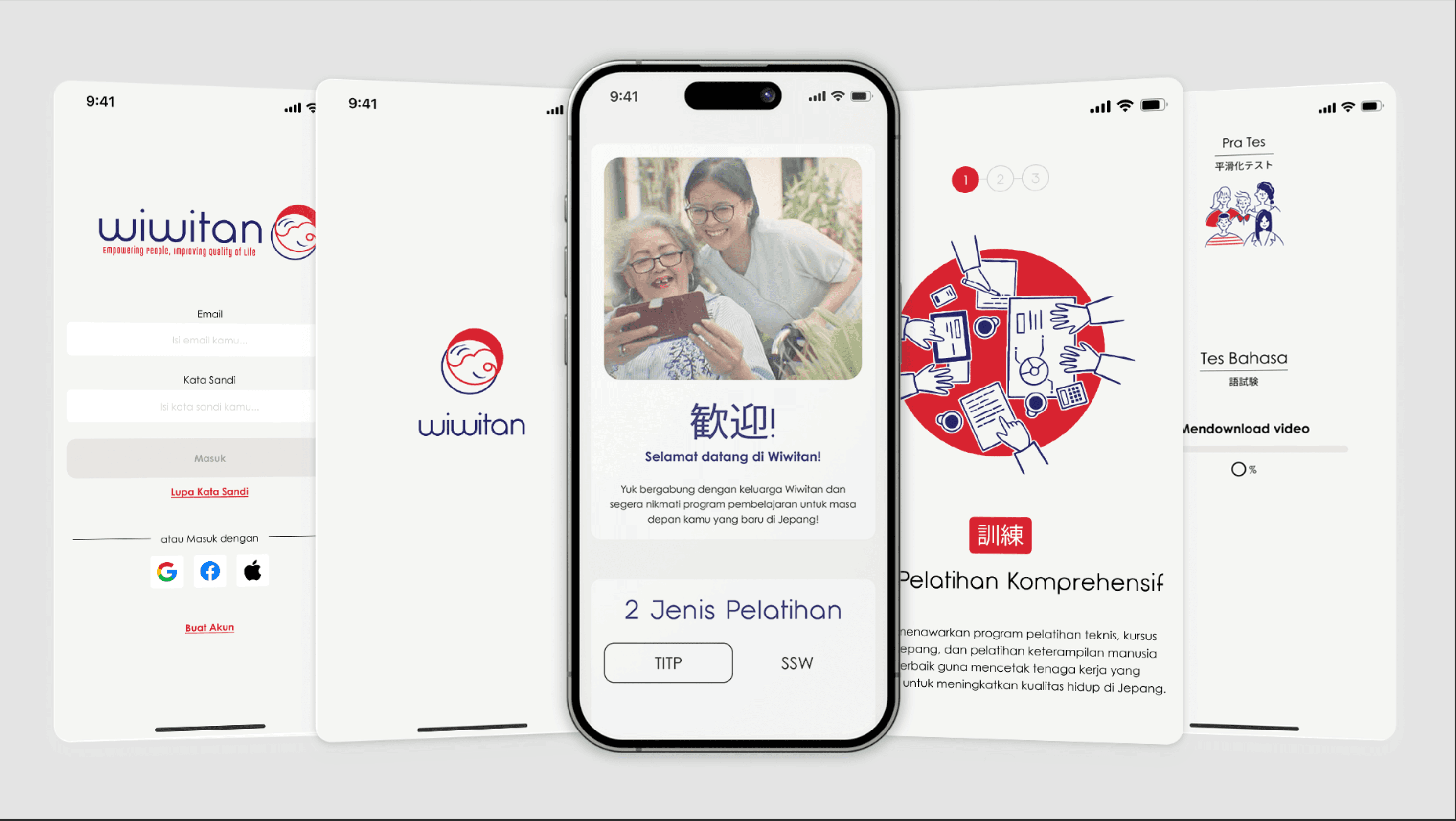
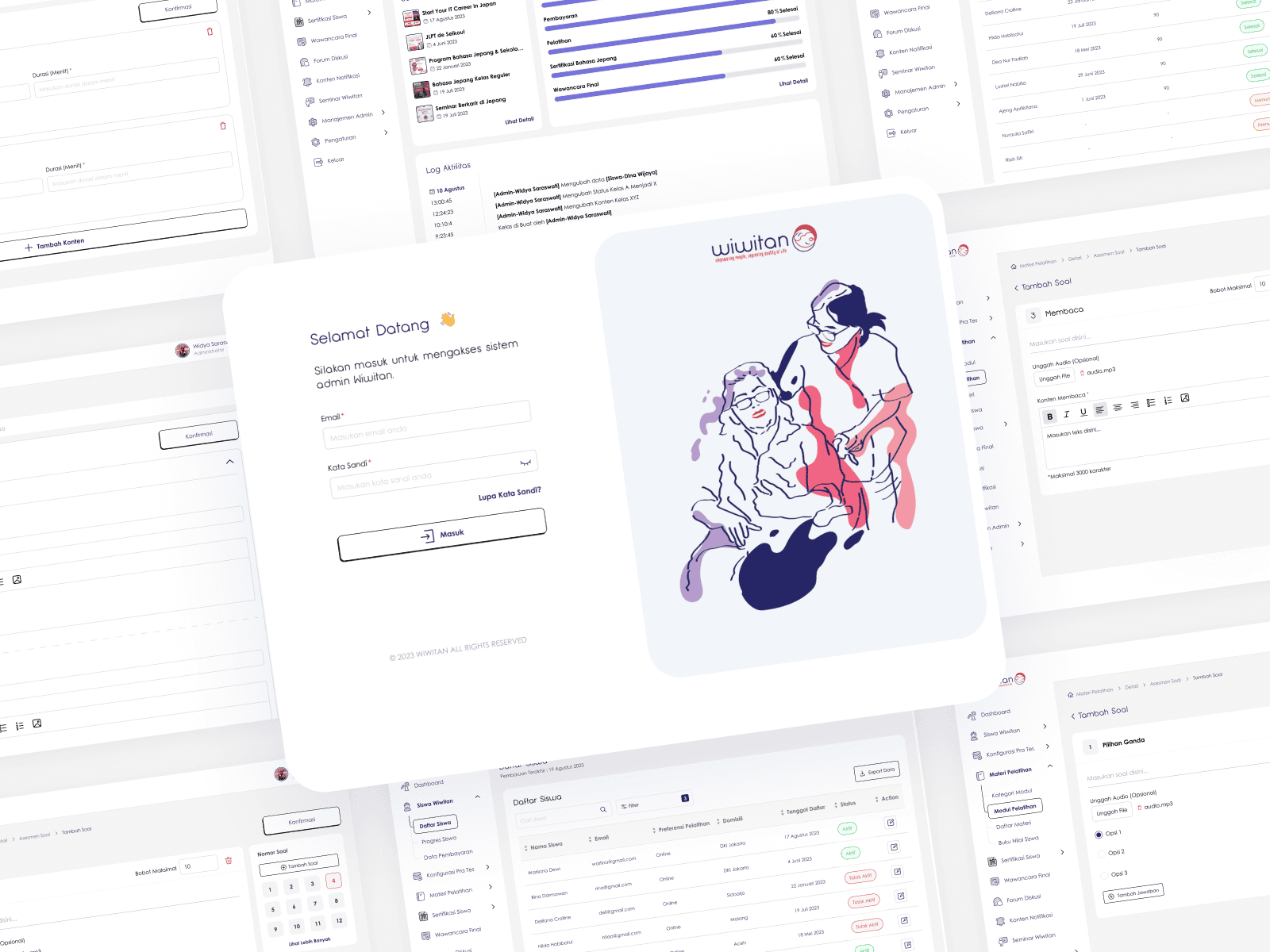
PT Wiwitan is developing a Talent Management System (TMS) application to connect individuals interested in working in Japan with comprehensive training and support services. This system is designed to streamline the preparation, departure, and post-employment process for candidates and involves several key stakeholders, including Students, Wiwitan as the Talent Management provider, Sponsors offering financial aid, Financial Institution Partners (such as rural banks and cooperatives), and Accepting Organizations in Japan.
with the following stakeholders:
Wiwitan (Student Management)
Financial Institution Partner (BPR dan Koperasi)
Accepting Organization (Organization in Japan)
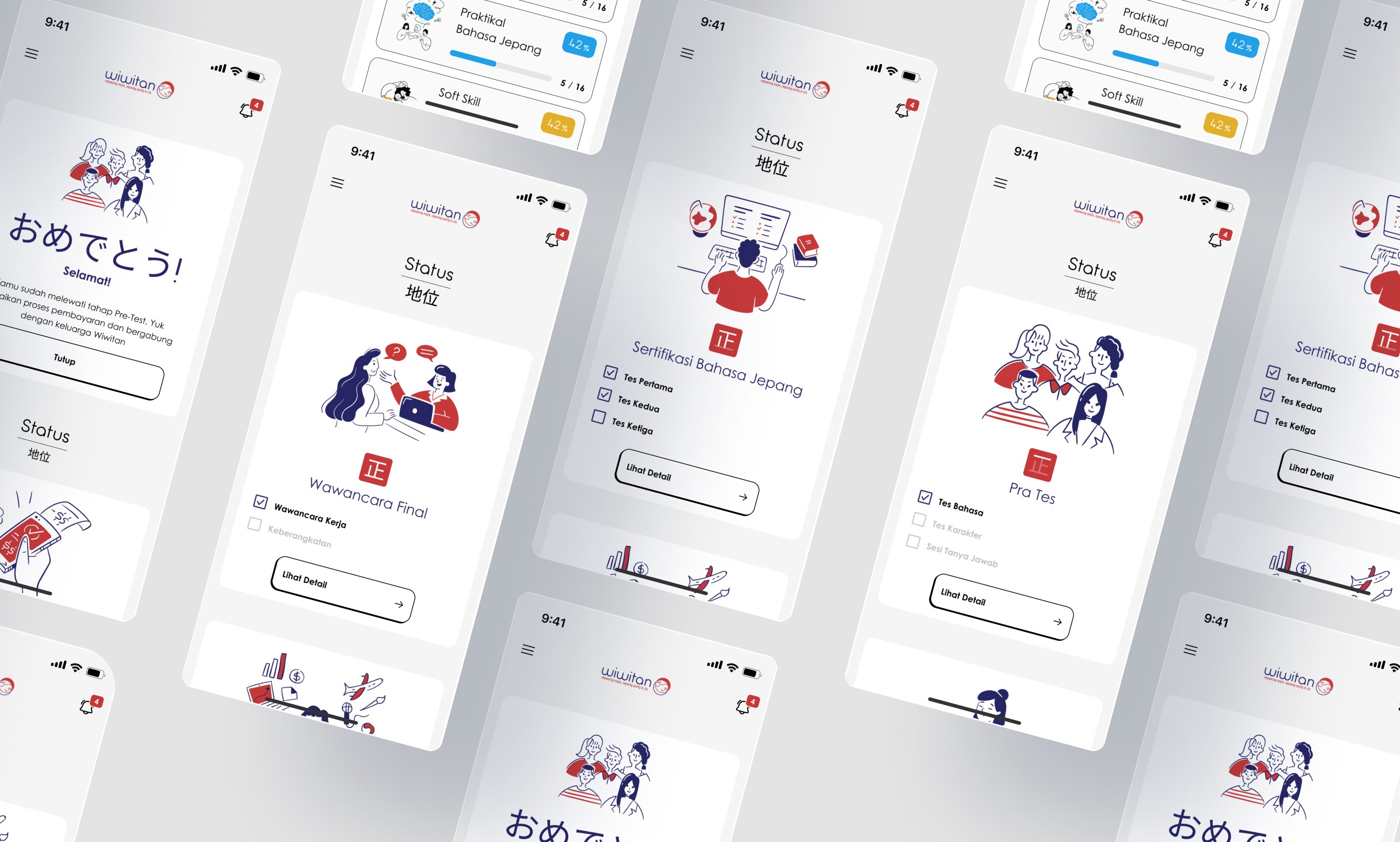
PT Wiwitan faces the challenge of providing an integrated Talent Management System (TMS) to connect individuals interested in working in Japan with tailored training and support services across different phases of their employment journey. The diverse needs of stakeholders—Students, Wiwitan (as Talent Management), Sponsors, Financial Institution Partners, and Accepting Organizations in Japan—necessitate a solution that covers all key steps from pre-departure training to post-employment support. Without a well-structured system, Wiwitan risks difficulty in managing registration, language proficiency testing, character assessments, document preparation, and performance monitoring, potentially impacting the readiness and success of workers as they transition to employment in Japan. An effective TMS platform with phase-specific features is essential to streamline this multi-stage process and support each stakeholder's needs.
Project Goals
The primary goal of this project is to develop a comprehensive Talent Management System (TMS) that streamlines the recruitment, training, and deployment of individuals interested in working in Japan. This system aims to support each stage of the process, from initial registration and training to deployment and post-employment assessment, ensuring smooth transitions and efficient workflows. Additionally, the platform will facilitate collaboration among all stakeholders—including students, Wiwitan, sponsors, financial partners, and Japanese organizations—by centralizing communication and data sharing. Preparing candidates thoroughly for their roles is essential, so the TMS will offer various training modules, including language proficiency, character assessments, technical skills, and financial management, to boost readiness and performance. The system will also integrate secure financial solutions to support cross-border transactions, enabling candidates to manage financial needs effectively. Finally, the platform will include periodic assessments and advanced training to support long-term professional growth, enhancing retention and success in their roles in Japan.
My Role
In this project, my primary role is to design the user interface (UI) and create all graphic elements essential to the Talent Management System. This involves crafting a visually engaging and user-friendly interface that meets the project’s functional and aesthetic requirements. I focus on designing layouts, buttons, icons, and illustrations that align with the brand and enhance the user experience. By collaborating closely with the team, I ensure that each visual element supports the overall design objectives and helps deliver a cohesive, intuitive, and professional application for Wiwitan and its stakeholders.
Design Process
The design process for the Wiwitan Talent Management System (TMS) project is structured into four key stages to ensure a thorough and efficient workflow:
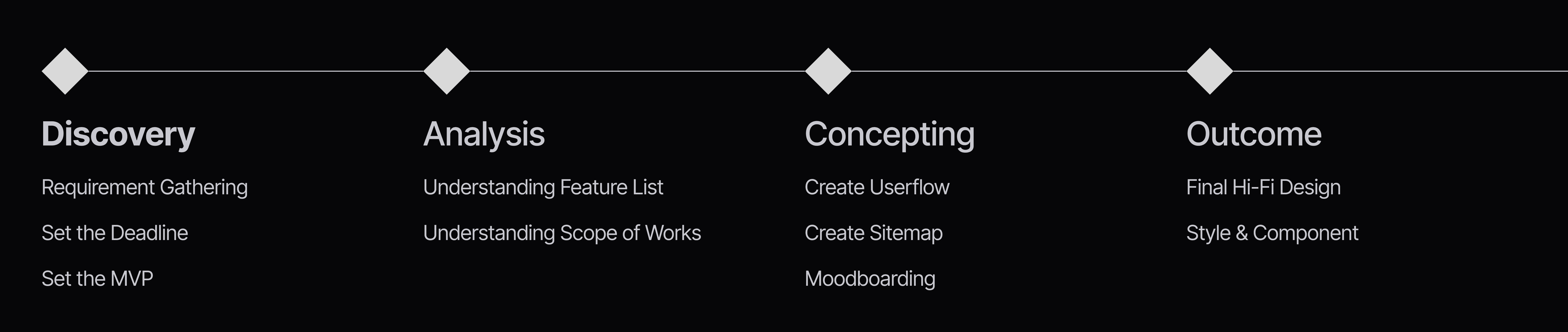
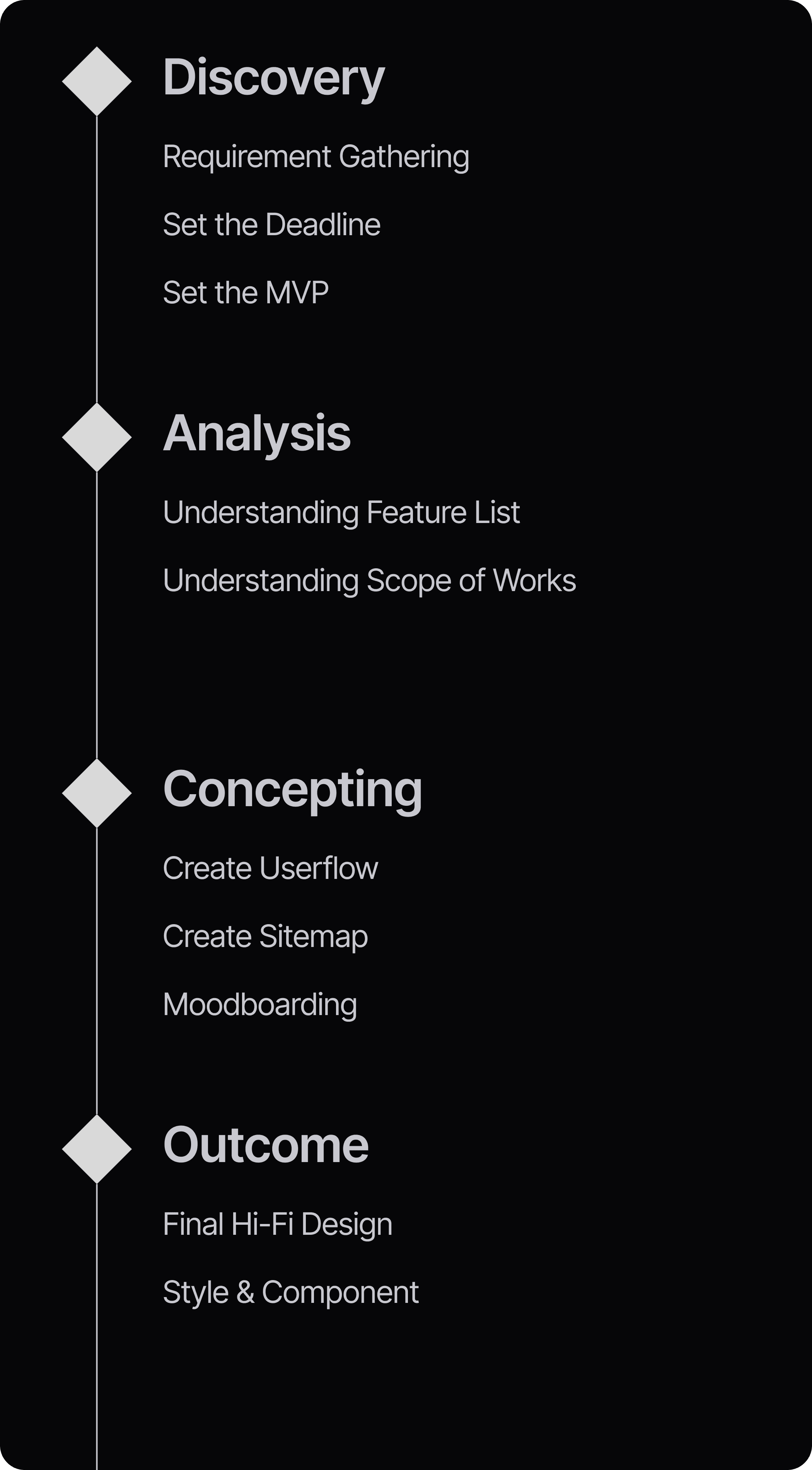
Discovery
This initial phase focuses on gathering all essential requirements and setting clear project objectives. Key activities include identifying and documenting user requirements, establishing project deadlines, and defining the Minimum Viable Product (MVP) to align with stakeholders’ priorities and objectives.
Analysis
In this stage, the design team thoroughly reviews and understands the list of features and the project’s overall scope. This helps in clarifying the functionalities, determining feasible outcomes, and creating a focused plan that guides the design and development phases.
Concepting
This phase involves laying the foundation for the user experience and visual style. The team creates a user flow to outline the journey within the application, builds a sitemap to organize content structure, and develops mood boards that set the tone and aesthetic direction. These deliverables ensure that both functionality and branding are aligned and ready for execution.
Outcome
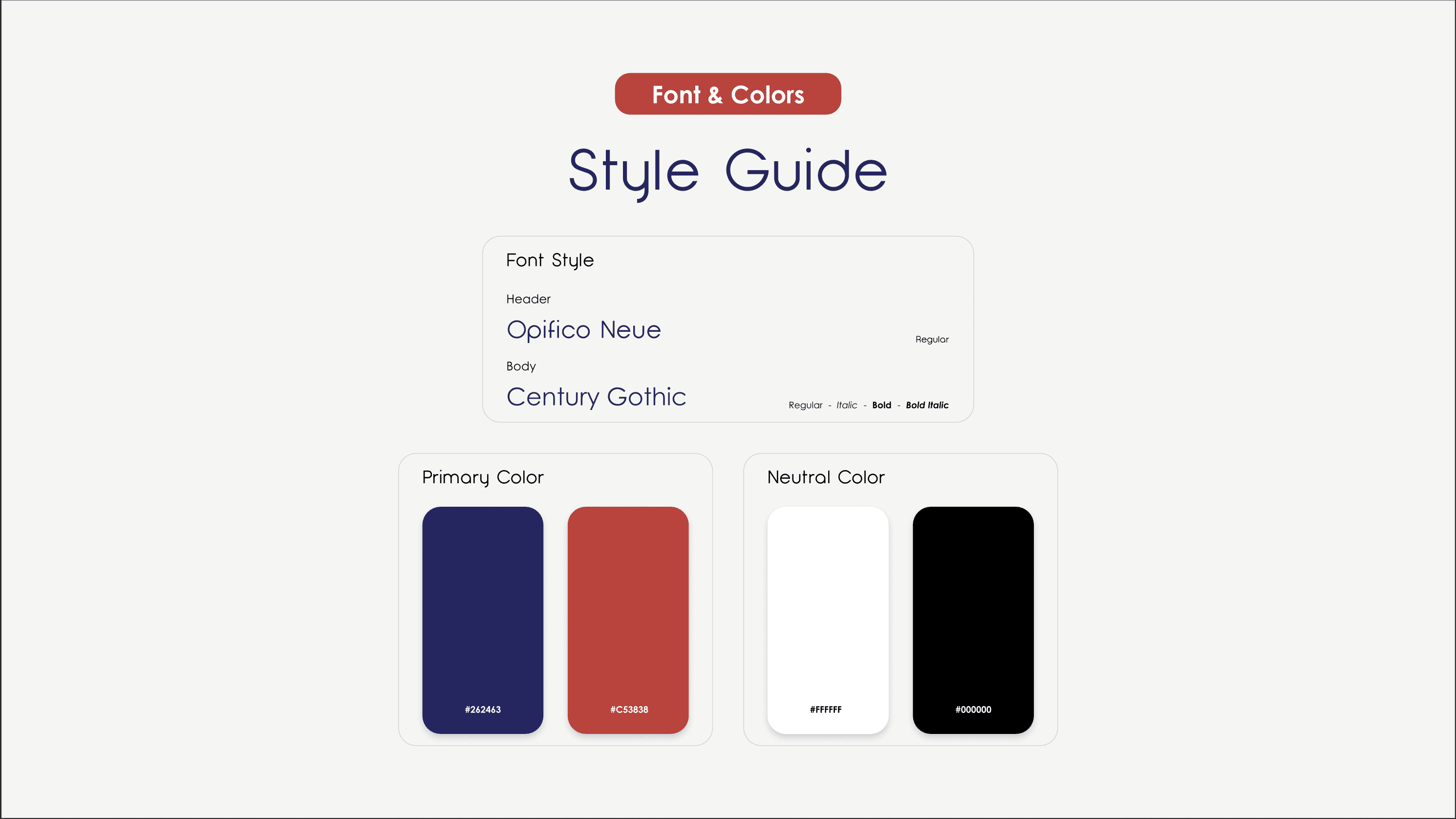
In the final phase, the team delivers the polished design, including all UI elements and the cohesive style and component guidelines. This outcome includes high-fidelity mockups and style guides that standardize the look and feel across all parts of the application, ensuring a smooth handoff to the development team for implementation.