The Fleet Management System project aims to streamline vehicle management within organizations. By leveraging modern technology and innovative solutions, we intend to simplify vehicle operations, enhance efficiency, and ensure optimal resource utilization. The system includes various modules, each designed to address specific aspects of fleet management, such as vehicle scheduling, maintenance tracking, and real-time monitoring. This project involves developing and implementing various features and functionalities to meet diverse fleet management needs, including creating an interactive scheduling calendar, integrating with GPS tracking systems for real-time monitoring, implementing maintenance tracking systems, and developing user-friendly interfaces for administrators and drivers. Additionally, the project encompasses thorough testing, user training, and ongoing support to ensure smooth adoption and operation of the Fleet Management System.
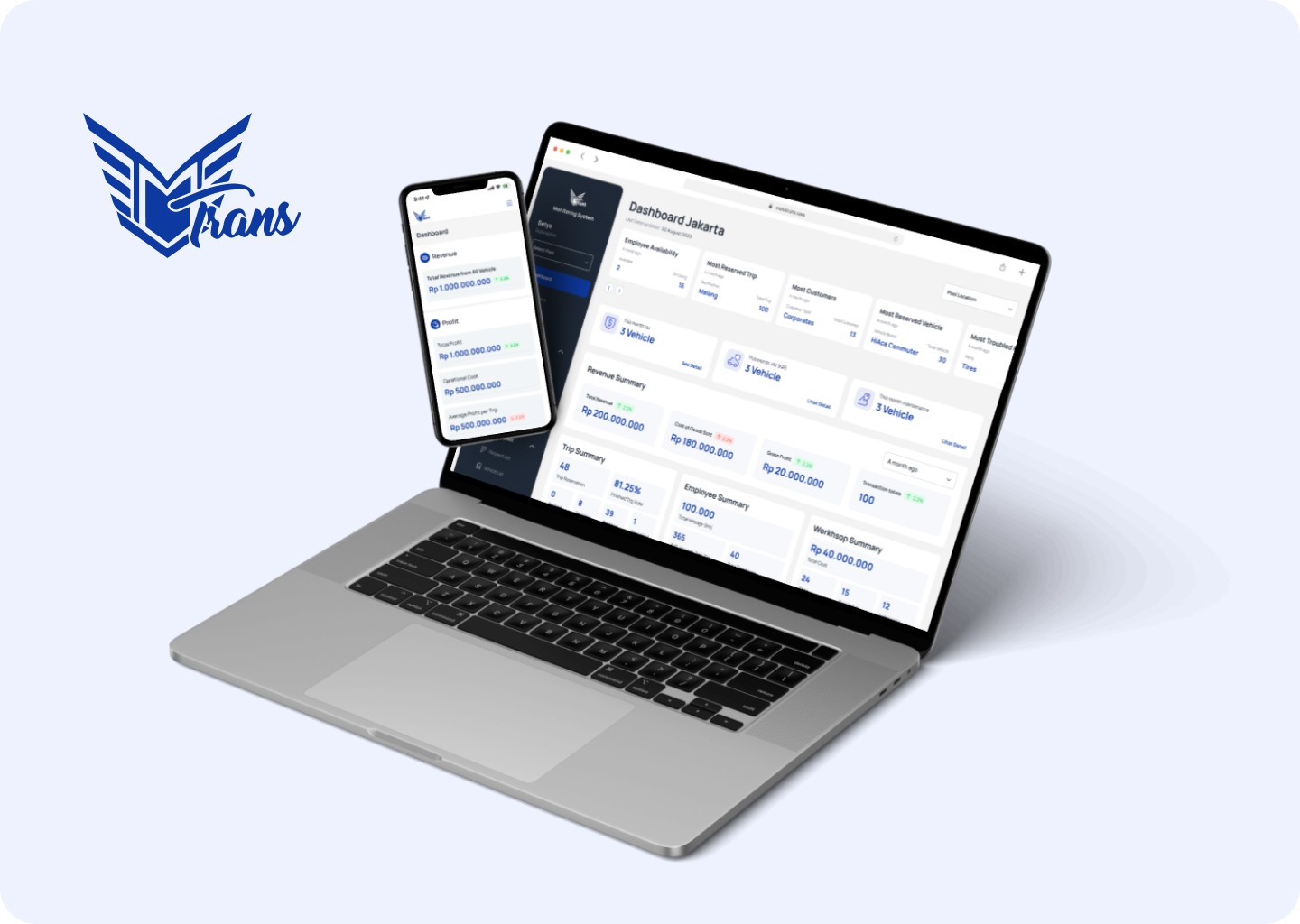
The current vehicle operations face challenges that lead to inefficiencies and delays due to difficulties in scheduling and management. This has also resulted in poor utilization of fleet resources, driving up operational costs and wasting resources. Additionally, the lack of effective tracking and scheduling for vehicle maintenance has led to increased downtime and potential breakdowns. The overall complexity of managing multiple aspects of the fleet makes these issues even more challenging, creating a need for a more streamlined and efficient fleet management solution.
Project Goal
The goal of this project is to create an efficient and streamlined fleet management system that optimizes vehicle scheduling and operations, improves resource utilization, and reduces operational costs. This system will include robust tracking and scheduling tools for vehicle maintenance to minimize downtime and prevent breakdowns. By simplifying and centralizing fleet management, the project aims to enhance overall productivity, ensuring that every aspect of fleet operations—from resource allocation to maintenance—is effectively managed.
My Role
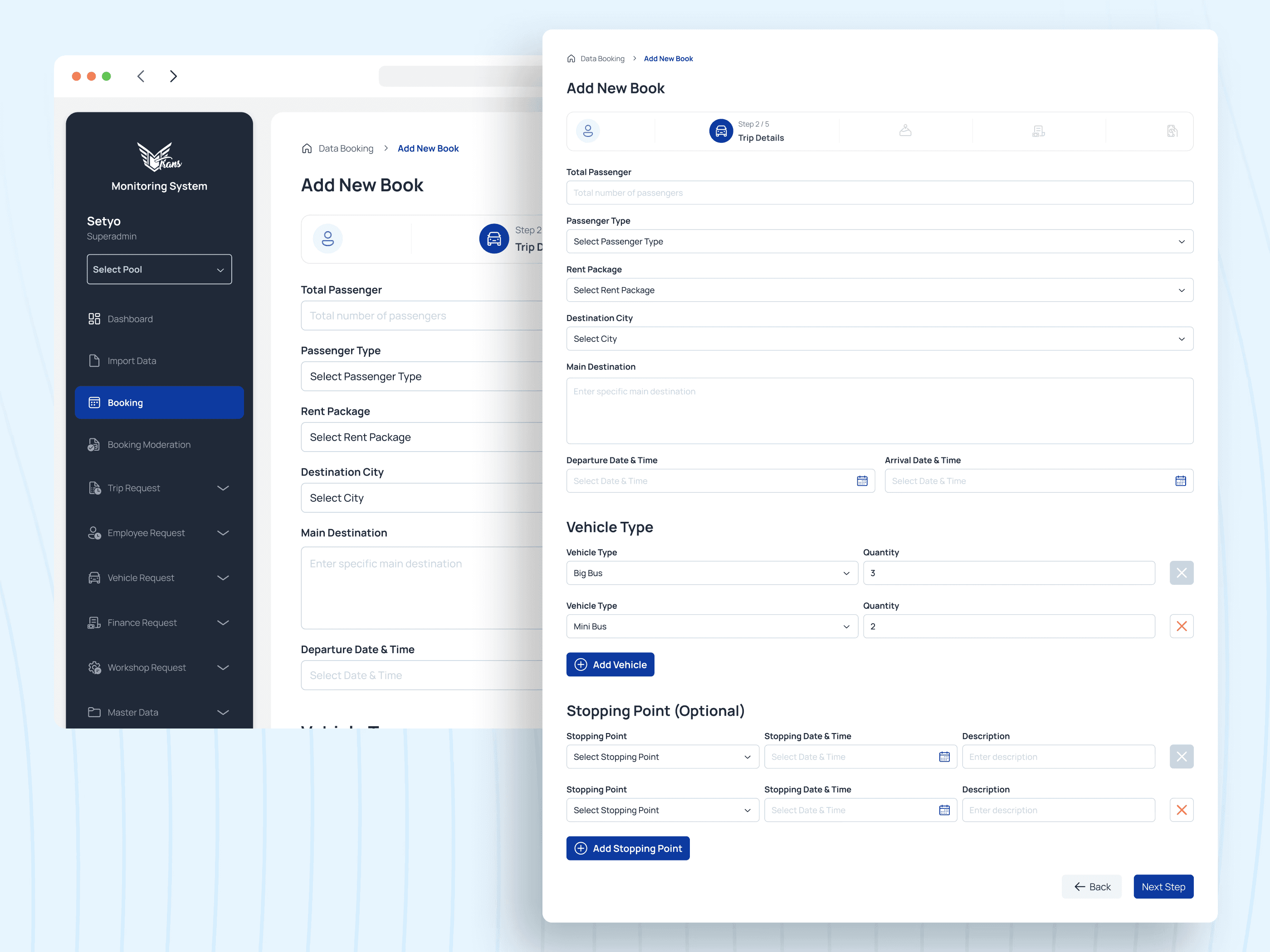
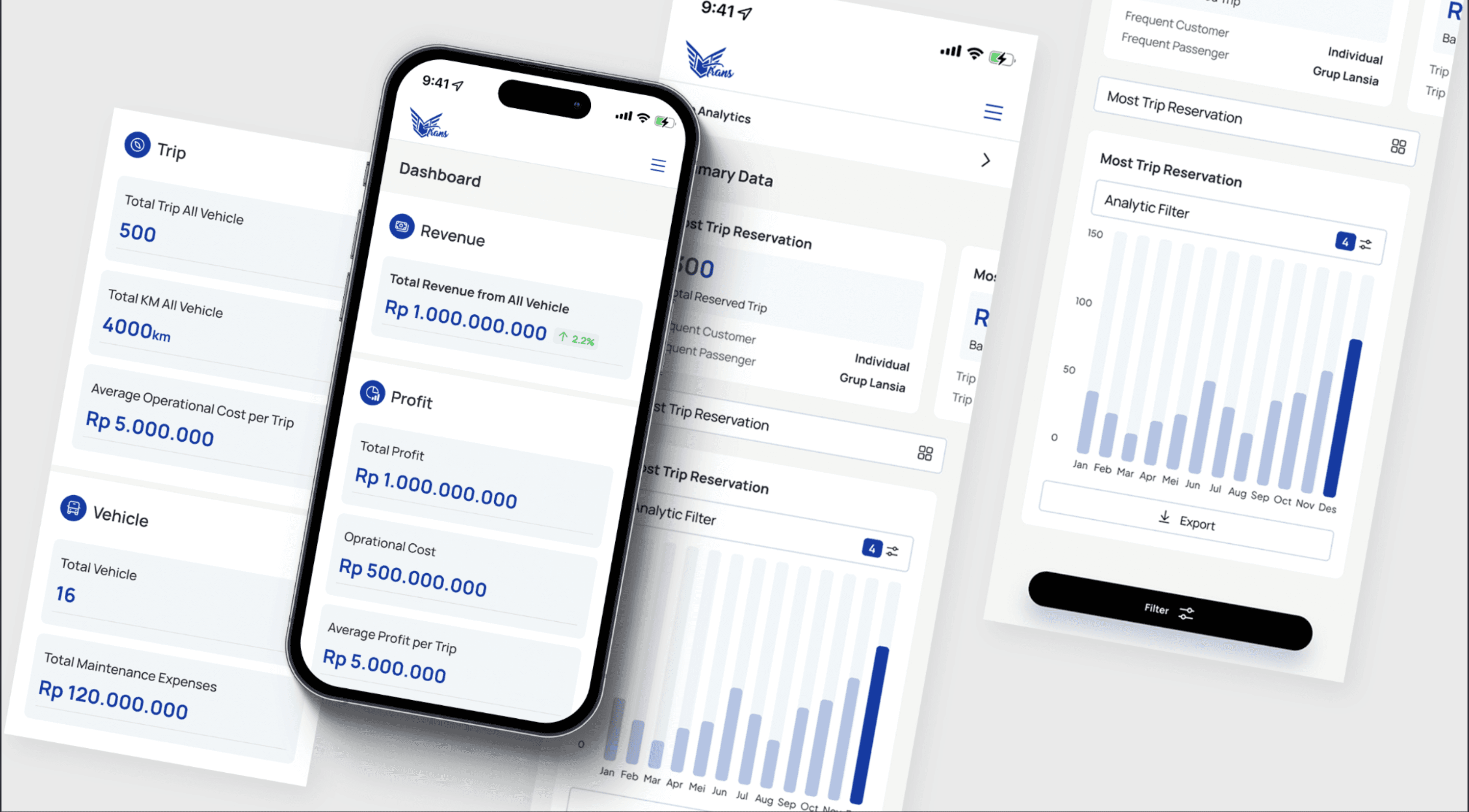
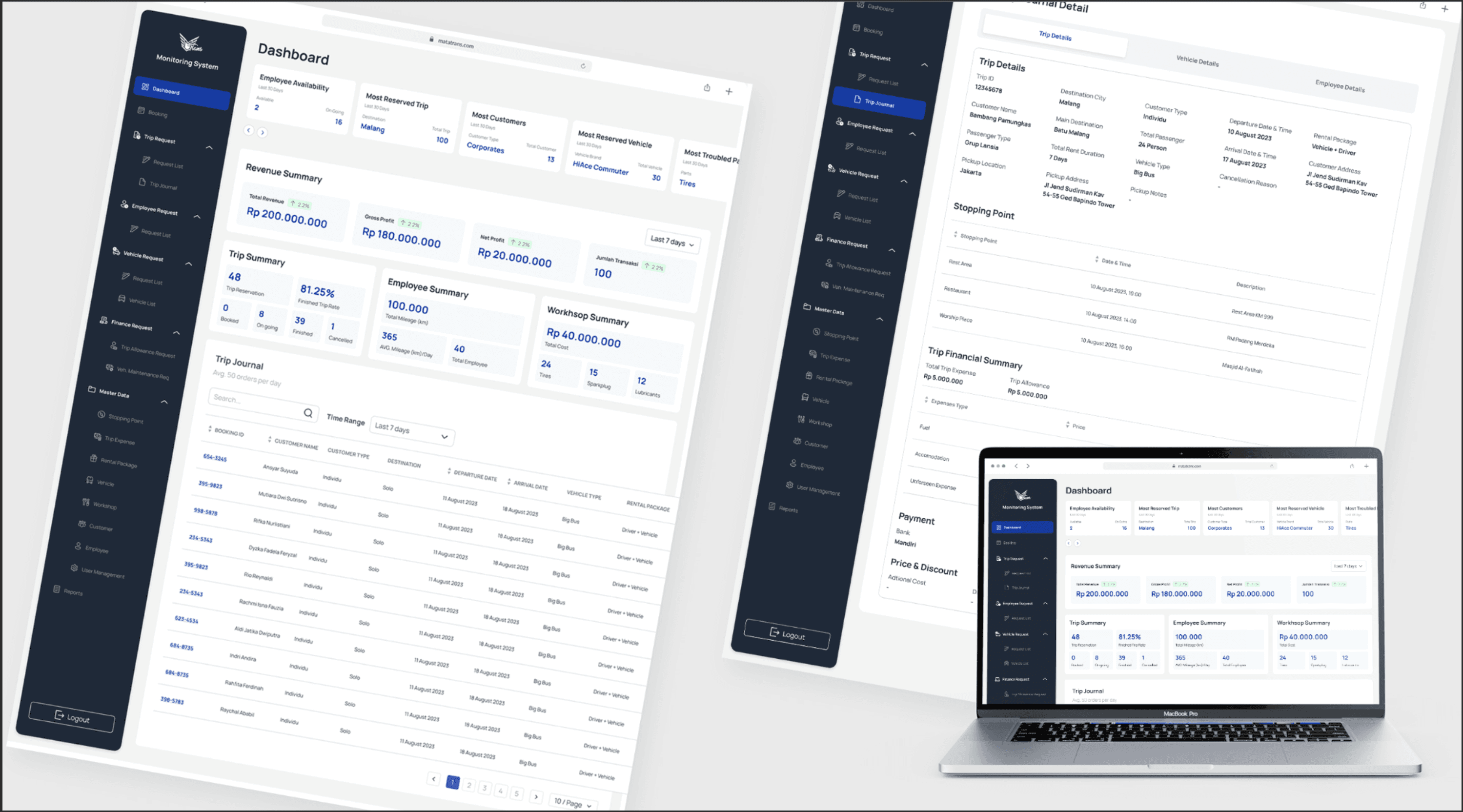
In this Fleet Management System project, I am responsible for developing an engaging and user-friendly interface. I collaborate closely with the UX designer to ensure that every design aspect is both functional and provides an intuitive user experience. My role includes creating the layout and all graphic elements within the system, such as icons, illustrations, and other visual components, which support the project’s goal of improving fleet management efficiency.
Design Process
By incorporating a branding strategy centered around modernity, sustainability, and forward-thinking, Nebul successfully transformed its image into a recognized and respected force in the architectural and urban planning industry. The sleek and contemporary design elements, coupled with visuals of eco-friendly projects and cutting-edge technology, positioned Nebul as a leader in shaping the future of urban landscapes.
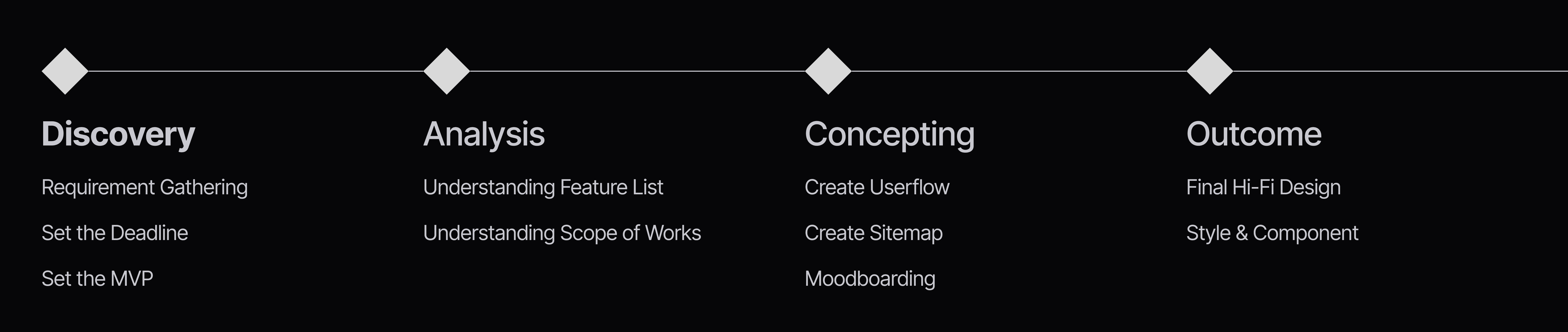
Discovery
In this initial phase, we focus on gathering all necessary requirements and aligning project goals with the stakeholders. This includes collecting detailed information on user needs, business objectives, and technical constraints. Additionally, we set clear deadlines and define the Minimum Viable Product (MVP) to ensure that the core features of the system are prioritized for development.
Analysis
During this phase, the design team dives deep into understanding the feature list and the full scope of work. We analyze the requirements to map out all the necessary features for the system, making sure that all aspects of fleet management are covered. This analysis ensures that the design aligns with both user needs and business objectives, providing a clear roadmap for the next steps.
Concepting
In the concepting phase, we begin translating our findings into visual and functional design elements. This involves creating user flows to outline the user journey within the system, building a sitemap to organize the structure of the system, and developing mood boards to capture the visual direction and aesthetic style. These activities help us ensure a smooth, intuitive experience and a consistent design direction.
Outcome
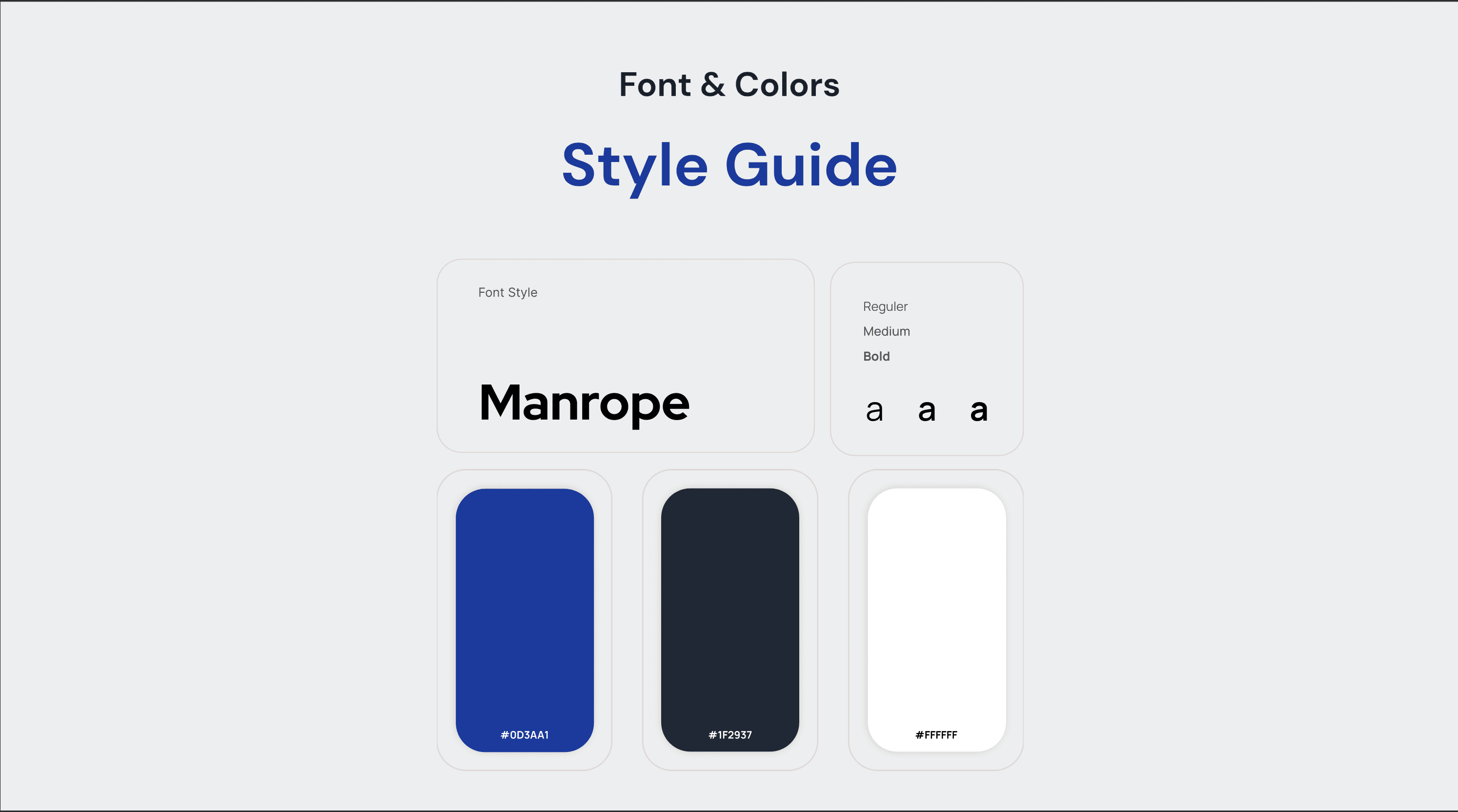
The final phase focuses on delivering the polished design. This includes creating high-fidelity mockups, defining the overall style, and developing a comprehensive component library to ensure consistency across the entire system. The final design will be ready for development, with all visual elements and design standards clearly outlined to maintain coherence throughout the project.